


0147. 对链表进行插入排序【中等】
1. 📝 题目描述
给定单个链表的头 head,使用 插入排序 对链表进行排序,并返回 排序后链表的头。
插入排序 算法的步骤:
- 插入排序是迭代的,每次只移动一个元素,直到所有元素可以形成一个有序的输出列表。
- 每次迭代中,插入排序只从输入数据中移除一个待排序的元素,找到它在序列中适当的位置,并将其插入。
- 重复直到所有输入数据插入完为止。
下面是插入排序算法的一个图形示例。部分排序的列表(黑色)最初只包含列表中的第一个元素。每次迭代时,从输入数据中删除一个元素(红色),并就地插入已排序的列表中。
对链表进行插入排序。
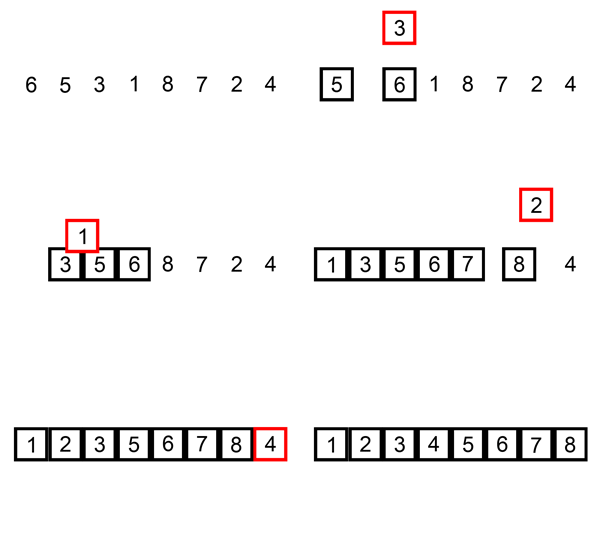
示例 1:

txt
输入: head = [4,2,1,3]
输出: [1,2,3,4]示例 2:

txt
输入: head = [-1,5,3,4,0]
输出: [-1,0,3,4,5]提示:
- 列表中的节点数在
[1, 5000]范围内 -5000 <= Node.val <= 5000
2. 🎯 s.1 - 插入排序
c
/**
 * Definition for singly-linked list.
 * struct ListNode {
 *     int val;
 *     struct ListNode *next;
 * };
 */
struct ListNode* insertionSortList(struct ListNode* head) {
    struct ListNode dummy;
    dummy.next = NULL;
    struct ListNode* cur = head;
    while (cur) {
        struct ListNode* next = cur->next;
        struct ListNode* prev = &dummy;
        while (prev->next && prev->next->val < cur->val) {
            prev = prev->next;
        }
        cur->next = prev->next;
        prev->next = cur;
        cur = next;
    }
    return dummy.next;
}js
/**
 * Definition for singly-linked list.
 * function ListNode(val, next) {
 *     this.val = (val===undefined ? 0 : val)
 *     this.next = (next===undefined ? null : next)
 * }
 */
/**
 * @param {ListNode} head
 * @return {ListNode}
 */
var insertionSortList = function (head) {
  const dummy = new ListNode(0)
  let cur = head
  while (cur) {
    const next = cur.next
    // 找到插入位置
    let prev = dummy
    while (prev.next && prev.next.val < cur.val) {
      prev = prev.next
    }
    cur.next = prev.next
    prev.next = cur
    cur = next
  }
  return dummy.next
}py
# Definition for singly-linked list.
# class ListNode:
#     def __init__(self, val=0, next=None):
#         self.val = val
#         self.next = next
class Solution:
    def insertionSortList(self, head: Optional[ListNode]) -> Optional[ListNode]:
        dummy = ListNode(0)
        cur = head
        while cur:
            nxt = cur.next
            prev = dummy
            while prev.next and prev.next.val < cur.val:
                prev = prev.next
            cur.next = prev.next
            prev.next = cur
            cur = nxt
return dummy.next- 时间复杂度:
,其中 是链表的长度 - 空间复杂度:
,只使用了常数级别的额外空间
算法思路:
- 创建虚拟头节点
dummy作为已排序链表的起点 - 遍历原链表,对每个节点从
dummy开始找到合适的插入位置并插入